Beethoven's Symphony No. 3 in E-flat major, "Eroica"
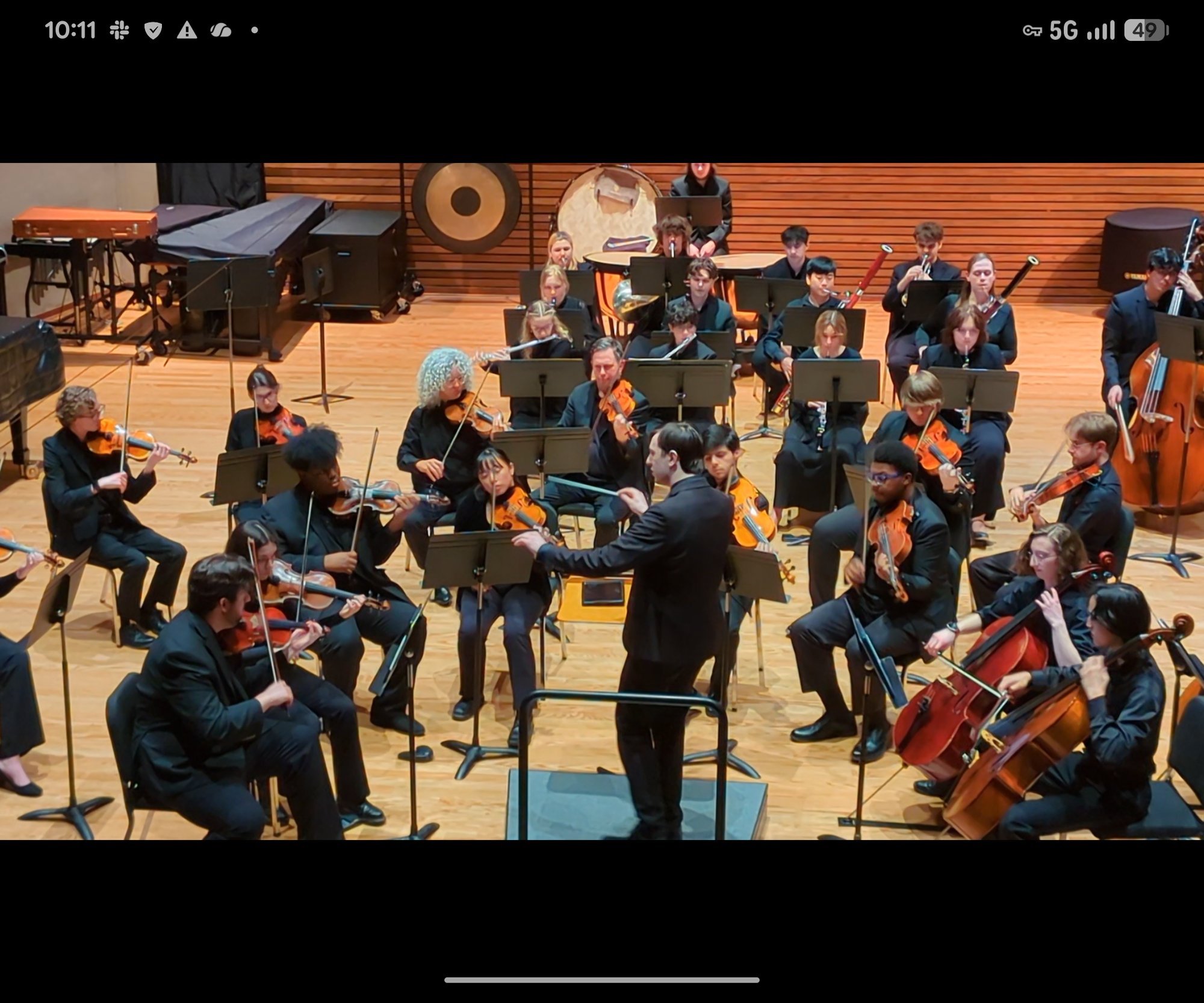
Few works in the orchestral canon carry the historical and interpretive weight of the Eroica. Written in 1803–04, it marks the moment Beethoven essentially broke the symphony open — expanding its scale, emotional range, and structural ambition far beyond anything Haydn or Mozart had attempted.
For a conductor, it's one of the most demanding pieces in the repertoire, and not just technically. The first movement alone is a masterclass in long-form tension: those two blunt opening chords are deceptively simple, and everything that follows is a slow, relentless buildup of harmonic and rhythmic pressure. Getting an orchestra to breathe through that movement — to hold the architecture together over nearly 20 minutes — requires extraordinary pacing instincts.
The second movement, the famous Marcia funebre, is where conductors often reveal their interpretive philosophy most clearly. Too slow and it collapses under its own weight; too brisk and the grief feels perfunctory. The fugal development section in the middle demands clarity without losing the emotional thread.
Then there's the scherzo — a sudden burst of wit and energy that conductors must resist the urge to over-clarify, letting its off-beat surprises land with spontaneity.
What makes the Eroica endlessly fascinating is that Beethoven wrote a work about struggle and transformation that itself requires struggle and transformation from every ensemble that takes it on. No two performances feel quite the same — and that's exactly the point.